RANGE: [ 1 – 250 kVA ]
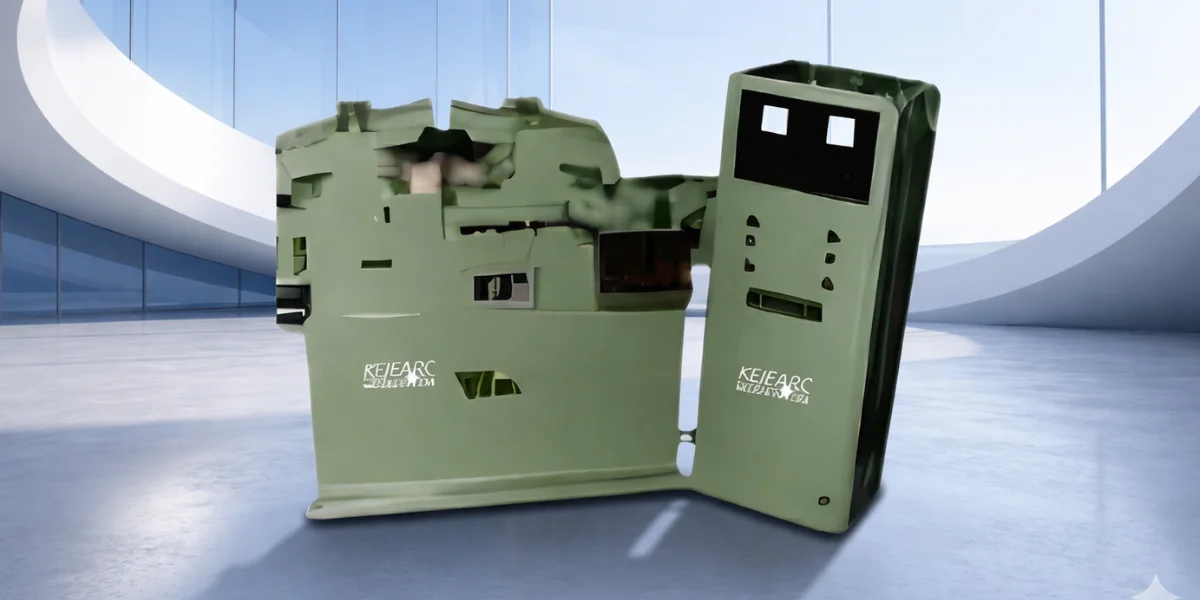
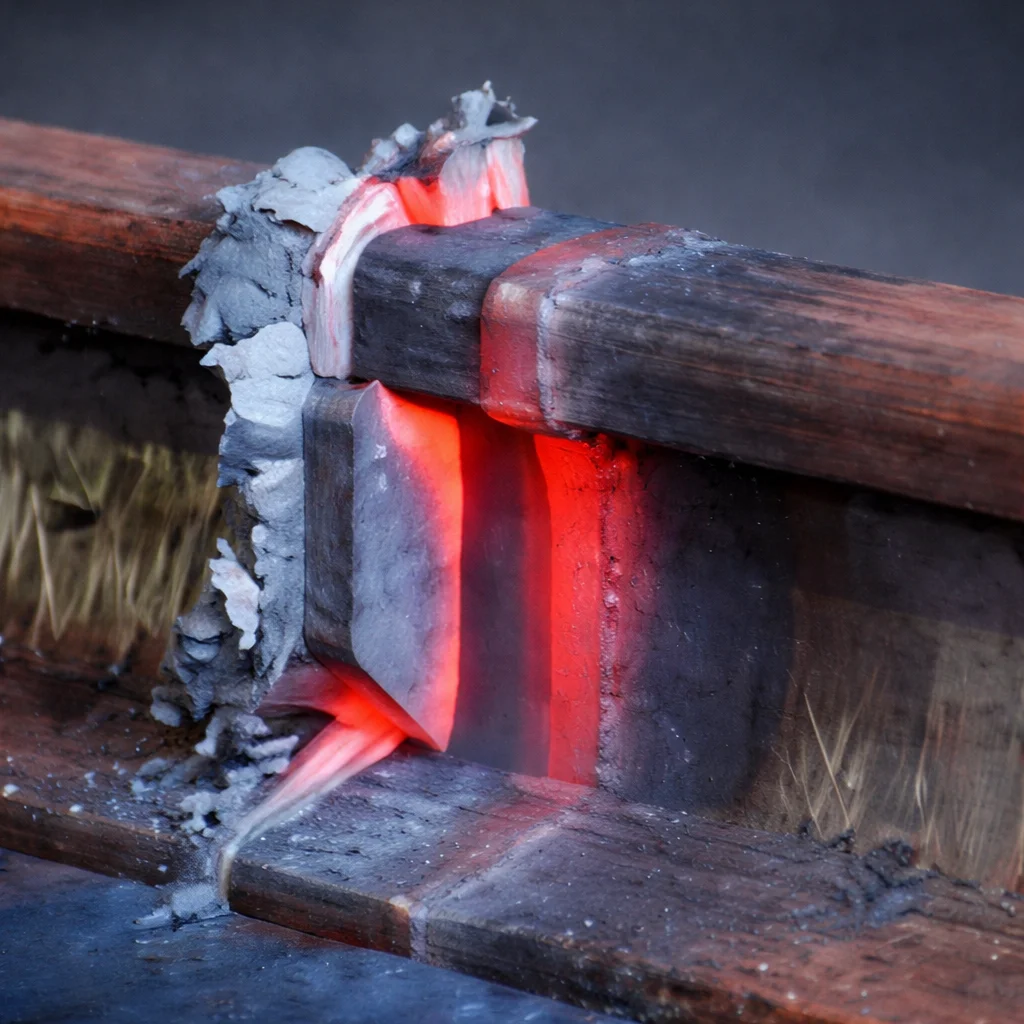
Flash Butt Welding is a resistance welding process used for joining two metal workpieces by generating heat through electrical resistance at the joint interface. The components to be welded are clamped between electrically conductive electrodes and brought together under controlled pressure. In Keje Electric Flash Butt Welding Machines, one platen remains stationary while the other moves hydraulically. As the parts approach each other, flashing occurs due to electrical resistance, raising the temperature of the mating surfaces. Once the required temperature is reached, an upsetting force is applied to forge the joint, producing a strong and uniform weld.
These machines are designed for high productivity, consistent weld quality, and minimal material loss, making them ideal for industrial manufacturing applications.
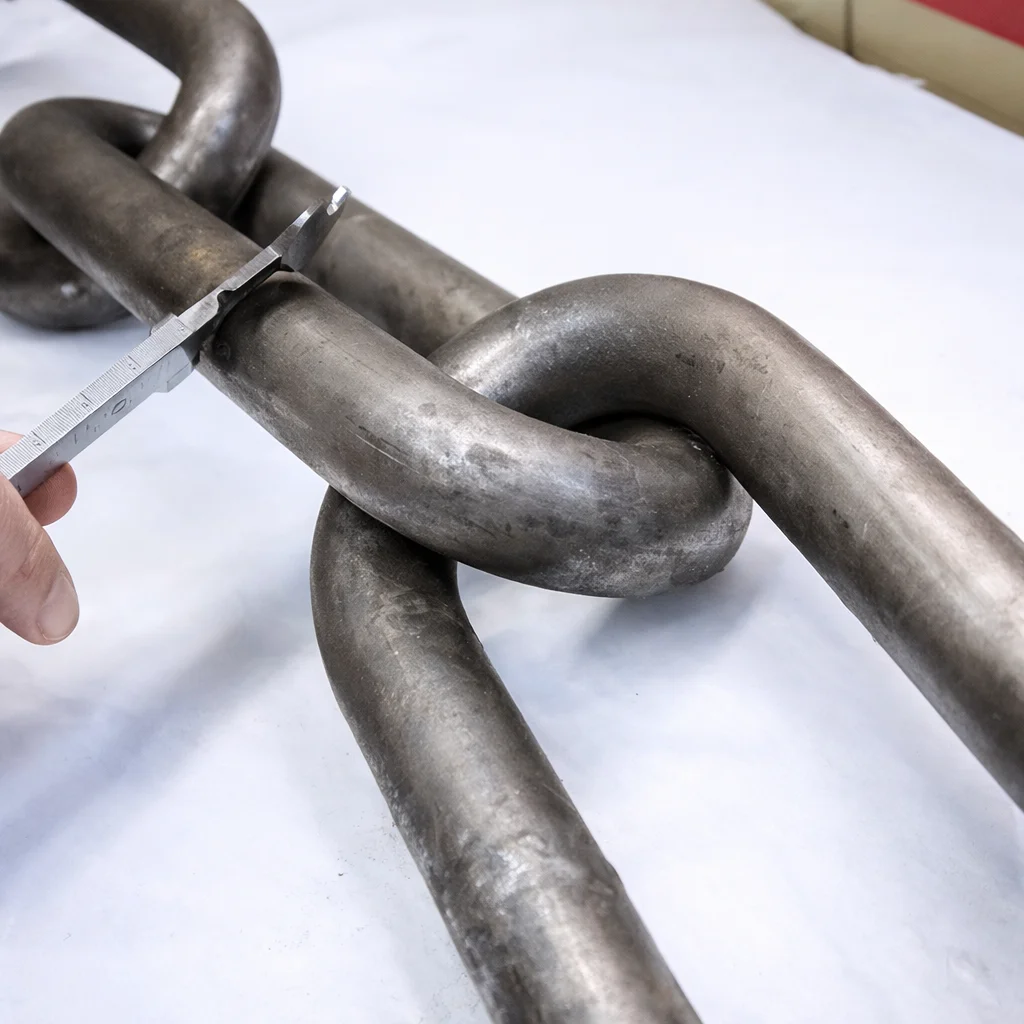
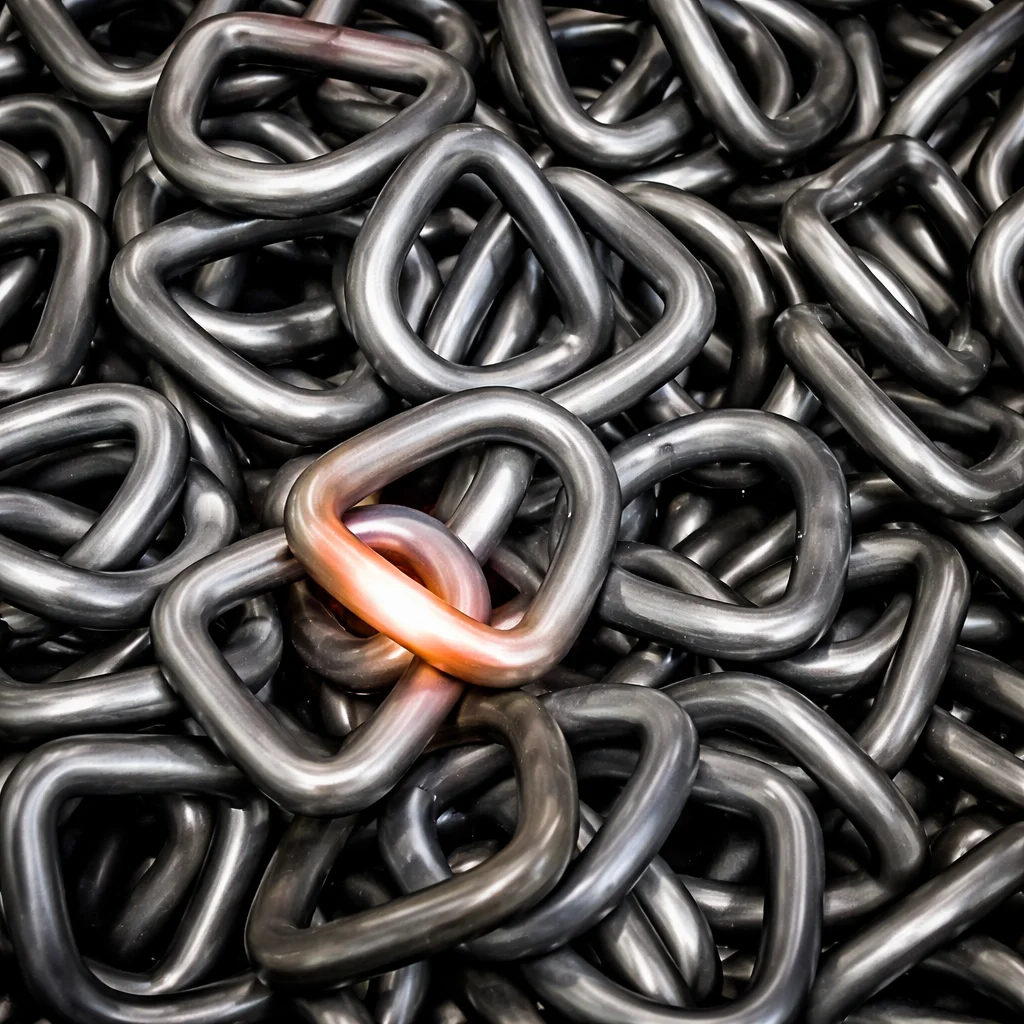
KEJEARC Flash Butt Welding Machines are widely used in manufacturing industries for welding:
These machines are particularly suitable for high-volume production environments requiring consistent weld quality.
Manufacturers often face challenges such as:
Traditional welding methods may also struggle to deliver the precision and repeatability required for structural and industrial applications.
Keje Electric Flash Butt Welding Machines are engineered to deliver precision, reliability, and productivity.
Our advanced resistance welding technology ensures:
These capabilities make KEJEARC machines a trusted solution for industries seeking efficiency, durability, and superior weld integrity.
Flash butt welding is a resistance welding process that joins two components by heating their ends with electric currents and applying an upset force.
Industries such as automotive, railways, and heavy machinery manufacturing use flash butt welding for its precision and strength.
Yes, KEJE Electric’s machines are designed with PLC integration, enabling seamless automation and process control.
Flash butt welding is ideal for conductive materials like steel, aluminum, and alloys used in structural and mechanical applications.
By precisely heating and aligning the components, it minimizes material wastage and reduces the need for post-welding machining.
Basic training is recommended to ensure proper operation and maximize the machine’s efficiency and performance.
“Where our machines lead to industrial evolution.”